
Introduction
Perfumes have captivated our senses for centuries, adding luxury and charm to everyday life. From light and airy scents to deep and rich aromas, there is a perfume for every occasion and every personality. But to truly enjoy your fragrance collection, it is worth understanding the nuances of perfume concentrations and application techniques. In this post we explore the world of perfume, from the different concentrations to expert advice on making a scent last all day.
Contents
- Understanding perfume concentrations
- Unlocking the fragrance pyramid
- Finding the ideal concentration
- Use perfume like a pro
- The art of applying perfume
- Perfume tips for different seasons
- Perfume tips for special occasions
- Everyday use of perfume
- Layering perfumes
Understanding perfume concentrations
Unlocking the fragrance pyramid
Before we dive into tips and tutorials, let us start with the basics: perfume concentrations. Perfumes are made in different concentrations, each with its own scent intensity and longevity. The four main concentrations are:
- Parfum (perfume extract): the most concentrated form of a fragrance, typically containing about 20–30% (in some cases up to 40%) aromatic compounds. Parfum is known for its long-lasting effect and lower alcohol content – even a small amount stays on the skin all day.
- Eau de Parfum (EDP): typically contains 15–20% aromatic compounds and has a strong, lasting scent. It is a popular choice for everyday wear and stays on the skin for a long time.
- Eau de Toilette (EDT): contains 5–15% aromatic compounds, is lighter and works well for everyday use. Longevity is moderate.
- Eau de Cologne (EDC): the lowest concentration, about 2–4% aromatic compounds. It offers a refreshing and discreet scent that stays on the skin for a shorter time.
Read more about concentrations in our post Understanding perfume concentrations.
Finding the ideal concentration
Choosing the right concentration depends on your preferences and the situation. Here are a few tips to help you decide:
- Parfum: ideal for special events and evenings, when you want a lasting and intense scent.
- Eau de Parfum: suits both everyday wear and festive occasions, striking a balance between longevity and subtlety.
- Eau de Toilette: great for work or leisure outings, offering a pleasant scent that is not too strong.
- Eau de Cologne: suited to a quick refresh during the day or to hot weather.
Use perfume like a pro
The art of applying perfume
Now that the concentrations are clear, it is time to master the art of application. Follow these steps to make your scent last all day and leave a memorable impression on others:
- Moisturise your skin: perfume lasts better on well-moisturised skin, so apply an unscented moisturiser to your pulse points before spraying.
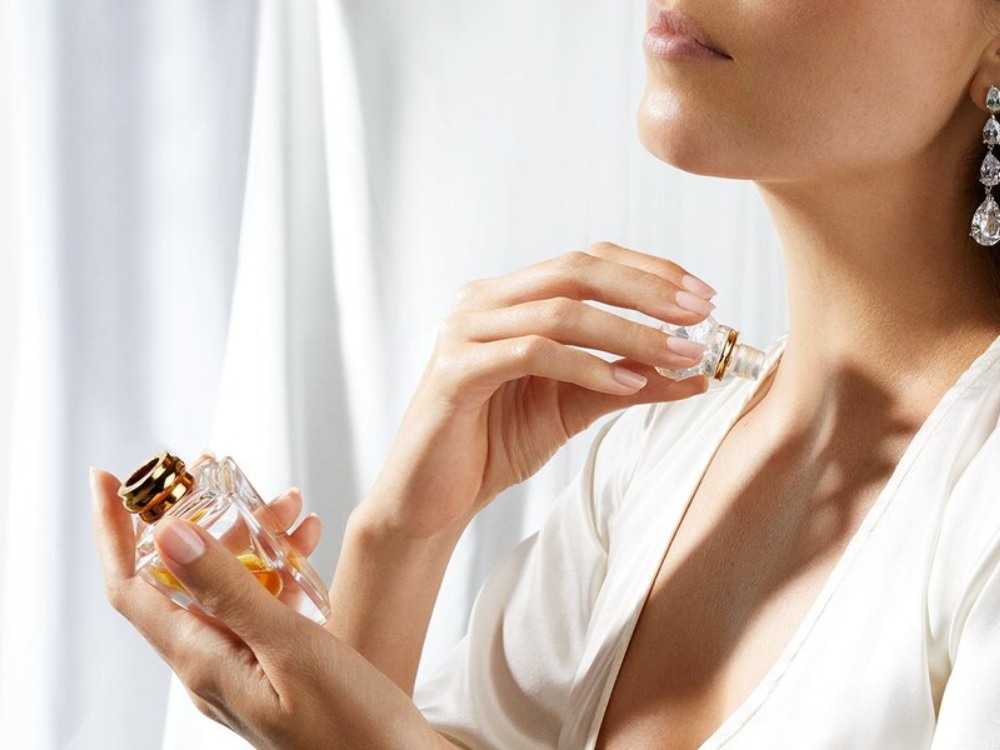
- Choose the right pulse points: pulse points give off warmth, which helps the scent to spread. Apply perfume, for example, to your wrists, neck, behind the ears and the insides of your elbows.
- Spray, do not rub: do not rub your wrists together after applying perfume, as this warms the skin, speeds up the evaporation of the top notes and can change how the scent develops. Let the fragrance dry naturally.
- Keep your distance: hold the bottle 7–10 cm from your skin when spraying so that the scent is distributed evenly.
- Layering: to increase longevity, use a shower gel, body cream or hair mist from the same fragrance line.
You will find more tips in the article Want to make your perfume last longer: expert tips.
Perfume tips for different seasons
Perfumes behave differently in different climates. Here are tips for adapting your perfume choice and use to the season:
- Spring: choose light, floral scents and use them sparingly. Cooler air helps the scent last.
- Summer: choose refreshing citrus scents and apply them to your pulse points and the backs of your knees for a cooling effect.
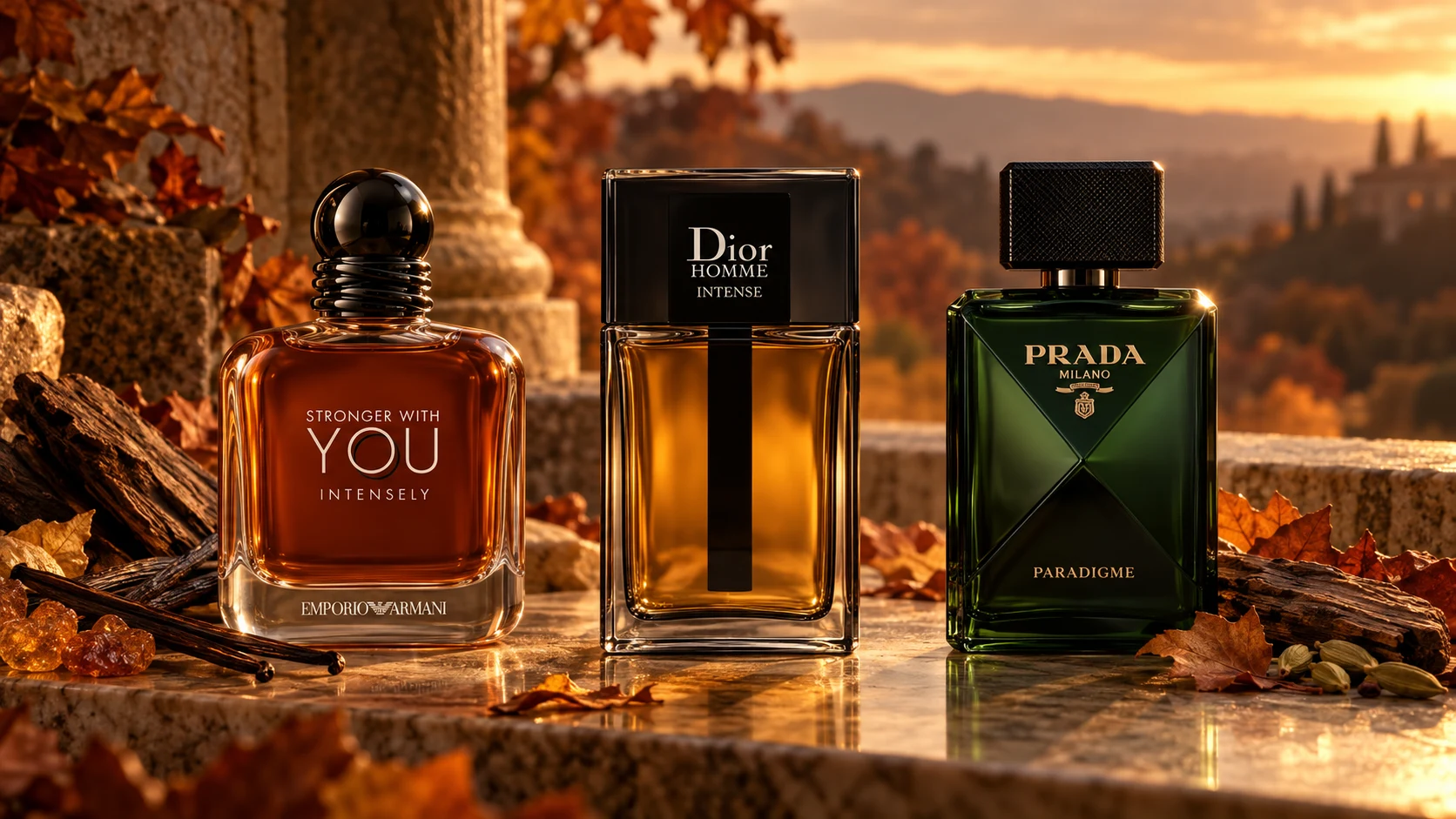
- Autumn: rich and warm scents suit autumn perfectly. Spray a little on your clothes too, so that the scent lasts longer in the cool air.
- Winter: heavier, oriental-style scents work well in the cold season. Focus on moisturising your skin so the scent lasts better.
Perfume tips for special occasions
Everyday use of perfume
Now that you are an expert in using perfume, here are tips for choosing the right scent for different occasions:
- Daytime joy: if you are heading out on a day off or to work, choose light and fresh scents, for example with notes of lavender, citrus or green tea.
- Romantic evenings: for a romantic dinner, choose seductive oriental scents with notes of vanilla, amber or musk.
- Glamorous galas: special events call for luxurious scents. Look for floral or woody fragrances with spicy nuances.
- Active adventures: if you are on the move, choose sporty, aquatic scents that are invigorating and energising.
To learn how to match a scent to your mood and style, read the article Perfumes for your mood and style.
Layering perfumes
Did you know that by layering different scents you can create your own unique fragrance? Here is a simple guide:
- Base layer: start with a scented body cream or lotion.
- Middle layer: apply Eau de Parfum or Eau de Toilette to your pulse points.
- Top layer: to finish, spray Eau de Cologne over the top, adding a subtle and refreshing nuance.
In conclusion
Perfume is more than just a scent – it is a form of self-expression and a chance to leave a lasting impression. Understanding concentrations, mastering application techniques and choosing the right scent for every occasion will take your perfume use to a new level. Experiment boldly and let your scent speak of your style and personality. You will find new favourites in the ESSENSA selection of women's perfumes and men's perfumes. To learn how to store your favourite scent properly, read the article Perfume care guide: how to store and look after your fragrance properly.